
The Importance of a Proper Drainage System to Preserving the Environment
Water is essential to healthy soil, crops, streams, wetlands, and communities, but it can become destructive when it is not directed properly. Heavy rainfall, snowmelt, and runoff can overwhelm low areas, erode exposed ground, damage roads, and carry pollutants into nearby waterways. A properly planned drainage system helps move water away from vulnerable locations while supporting safer, more stable land use.
Water movement affects soil stability, vegetation, infrastructure, and water quality across an entire site. When drainage is treated as part of the broader landscape, property owners, contractors, and public agencies can make choices that protect both the project and its surroundings.
Reducing Soil Erosion and Sediment Loss
Uncontrolled runoff can move quickly across bare or sloped ground, loosening soil and carrying it away. Over time, this erosion can weaken embankments, damage fields, expose roots, and create unstable surfaces near roads or structures. Sediment may then settle in ditches, culverts, streams, or low-lying areas, reducing their capacity to carry water.
A dependable drainage system gives runoff a defined route instead of allowing it to spread unpredictably. Corrugated metal pipe products can support this goal by moving water beneath roadways, driveways, agricultural crossings, and other areas where surface flow would be disruptive. The correct pipe size, thickness, corrugation, and coating depend on anticipated flow, soil conditions, structural load, and environmental exposure.
Keeping soil in place also preserves nutrients and supports healthier vegetation. When sediment remains on the land rather than washing into waterways, the surrounding ecosystem is less likely to experience unnecessary disturbance. Properly directed runoff therefore supports site stability and downstream water quality.
Limiting Flooding and Standing Water
Flooding can damage more than buildings and pavement. Prolonged standing water may drown vegetation, weaken soil, disrupt agricultural use, and affect wildlife habitat. In developed areas, water that cannot drain efficiently may also spread contaminants from parking areas, work zones, and roads.
According to the EPA, by the year 2100, more areas are projected to be at risk of flooding, and annual flooding damages are predicted to increase by $750 million. This projection gives greater urgency to drainage planning because systems installed today may need to manage more frequent or intense water events. Selecting corrugated metal pipe products that match expected flow and site conditions can help reduce bottlenecks that allow water to back up across roads, fields, and developed property.
Drainage capacity must be considered as part of the full water path. A pipe that is too small, poorly positioned, or blocked by debris may transfer the problem rather than solve it. Inlets, outlets, channels, and crossings should work together so water can move without causing new erosion or pooling elsewhere.
Protecting Water Quality
Stormwater can collect soil, oil residue, fertilizers, litter, and other materials as it moves across a site. When runoff travels without control, these materials may enter creeks, rivers, ponds, or wetlands. A drainage system cannot eliminate every pollutant, but it can create a predictable route for water and make runoff easier to manage.
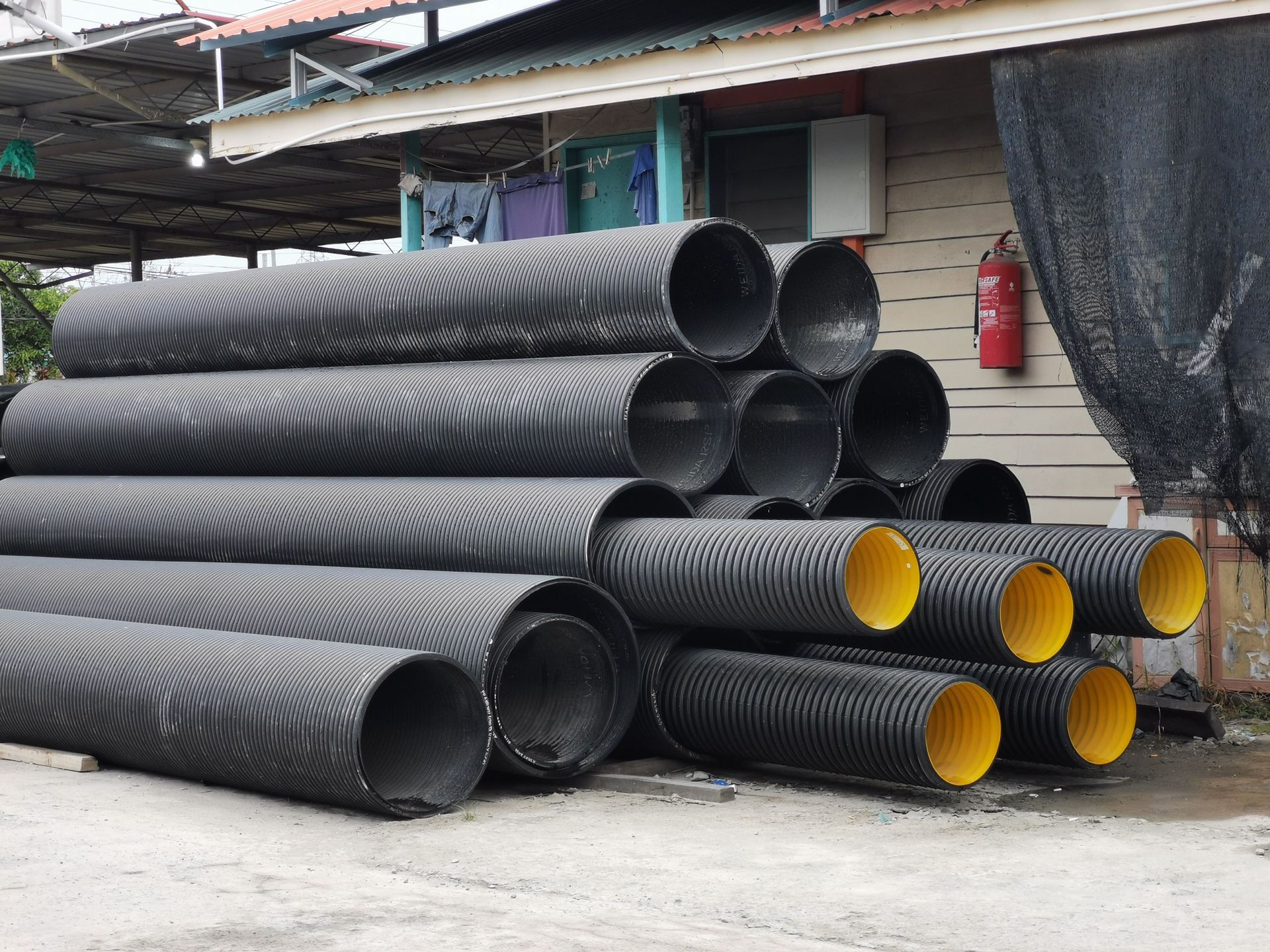
Corrugated metal pipe products are commonly used in roadway drainage, agricultural applications, and municipal infrastructure where consistent water movement is necessary. Their role is to convey water through designated areas while helping protect the surrounding surface from repeated washouts. When the pipe configuration fits the site, the system can reduce uncontrolled channels that carry sediment toward waterways.
Water quality protection also depends on responsible construction practices. Exposed soil should be stabilized, disturbed areas should be restored, and outlet locations should be evaluated for erosion risk. These steps help keep a drainage improvement from creating environmental damage during or after the project.
Supporting Roads, Farms, and Municipal Infrastructure
Roadways and agricultural land depend on drainage because water can weaken the surfaces and soils that support daily use. Saturated ground may lose strength, while repeated runoff can cut channels along shoulders, entrances, and field crossings. Municipal systems face similar pressures around streets, public rights-of-way, and infrastructure corridors.
The wide size range available for corrugated metal pipe products makes the material adaptable to projects with different capacities and structural requirements. Smaller diameters may suit limited drainage needs, while larger systems can support major crossings or infrastructure projects. Riveted pipe, spiral pipe, multi-plate pipe, structural plate pipe, and slotted drainpipe each serve different drainage or structural purposes.
Choosing among these options should begin with the project's actual demands. Load-bearing needs, soil characteristics, water volume, installation space, and exposure conditions all influence product selection. A one-size-fits-all approach may lead to premature deterioration, insufficient capacity, or unnecessary expense.
Matching Materials to Environmental Conditions
Drainage materials remain exposed to moisture, soil chemistry, abrasion, freeze-thaw cycles, and other site-specific conditions. These factors can affect long-term performance, especially when the system is beneath a roadway or within difficult-to-access infrastructure. Material selection should therefore account for more than diameter alone.
Different thicknesses, corrugations, and coatings allow corrugated metal pipe products to be matched more closely to structural and environmental demands. A coating may support durability under particular exposure conditions, while heavier material may be appropriate where greater loads are expected. The proper configuration helps the system perform consistently without premature replacement.
Long-term planning can also reduce environmental disruption. Replacing a failed pipe may require excavation, traffic interruption, soil disturbance, and additional material use. Selecting a product suited to the site from the beginning can help extend service life and reduce future construction activity.
Preserving Natural Drainage Patterns
Every property has a natural pattern for moving water based on elevation, soil, vegetation, and existing channels. Construction can interrupt these patterns by adding roads, buildings, compacted surfaces, or altered grades. A proper drainage system should manage the resulting runoff without unnecessarily redirecting water toward neighboring land or sensitive areas.
Corrugated metal pipe products can carry water beneath constructed barriers while allowing the broader drainage path to remain functional. This is especially important where a roadway, driveway, or access route crosses an existing low point. Without an adequate crossing, water may collect on one side, erode the roadbed, or force a new path through surrounding ground.
Preserving natural flow means understanding where water is likely to travel and designing the system around that reality. Careful placement can support site access while reducing unnecessary changes to nearby soils, vegetation, and waterways.
Improving Project Planning and Material Coordination
Environmental performance depends partly on whether the correct materials are available when work begins. Delays can leave excavated areas exposed, extend soil disturbance, or pressure contractors into using a product that does not fit the design. Reliable sourcing supports a more orderly construction sequence.
A supplier with a broad inventory of corrugated metal pipe products can help contractors, engineers, and property owners compare size, thickness, corrugation, coating, and configuration options. Quick pickup and delivery may also help keep drainage work moving when schedules are tight. This support should remain focused on material selection and availability rather than replacing engineering or installation decisions.
Clear communication before ordering can reduce mismatched materials and avoidable rework. Project specifications, dimensions, quantities, delivery access, and timing should be confirmed early. Better coordination protects the schedule while reducing wasted materials and unnecessary site disturbance.
A proper drainage system protects more than the immediate project area. It can reduce erosion, limit standing water, support water quality, preserve access, and help maintain the natural movement of runoff across the landscape. These benefits depend on selecting materials that fit the site and coordinating the system as a whole. At Northern Iowa Construction Projects, we supply multiple sizes and configurations for drainage work, including riveted, spiral, multi-plate, structural plate, and slotted drainpipe. To learn more, get in touch with our team!
Share On: