
4 Key Benefits of HDPE Pipes in Plumbing Systems
In modern plumbing systems, selecting the appropriate piping material is critical for ensuring the overall longevity, operational efficiency, and safety of the entire infrastructure. Over the decades, traditional options such as copper, galvanized steel, and rigid PVC have dominated the utility market, but rapid advancements in polymer engineering have positioned High-Density Polyethylene (HDPE) as a vastly superior alternative. HDPE options are widely recognized for their impressive structural durability, extreme physical flexibility, and long-term cost-effectiveness, making them a preferred specification in contemporary plumbing installations. This article explores the numerous advantages that high-density polyethylene systems provide, offering detailed insights into their performance over legacy piping materials. As global demand for resilient, sustainable, and leak-free water distribution networks continues to grow, these high-performance pipe products present a reliable solution worth specifying for both private and public infrastructure.
1. Durability and Longevity
High-density polyethylene systems exhibit exceptional physical resistance to a wide array of corrosive elements, making them far superior to legacy options in demanding subterranean environments. Traditional metal systems frequently succumb to oxidation, scale buildup, and structural decay over time, significantly shortening their overall service life and causing water contamination. In contrast, heavy-duty HDPE pipe products do not rust, pit, or corrode, even when installed directly in highly acidic soils, chemically aggressive wastewater, or harsh saline environments. This natural resistance ensures that high-density polyethylene networks require minimal structural replacements and ongoing repairs over decades of continuous operation, resulting in substantially lower lifecycle costs and reduced environmental disturbance.
Another defining characteristic of high-density polyethylene systems is their exceptional physical flexibility and structural toughness, which allow the material to absorb significant stress caused by ground shifts, soil settlement, and thermal expansion. Unlike rigid ceramic or brittle plastic options that readily crack under physical stress, high-density polyethylene can bend without breaking, maintaining complete structural integrity. This inherent flexibility is especially beneficial in regions prone to seismic activity or heavy traffic loads, where ground vibration is constant. Furthermore, flexible pipe products are ideal for advanced trenchless installation methodologies, such as directional drilling and pipe bursting, which minimize surface excavation costs and reduce labor requirements.
High-density polyethylene systems boast an impressive operational service life, frequently exceeding fifty years under standard operating conditions and outlasting almost all conventional materials. This prolonged operational life is largely attributed to the polymer's innate resistance to chemical degradation, biological growth, and extreme thermal fluctuations. Consequently, choosing robust HDPE pipe products offers long-term peace of mind for municipality managers, commercial property developers, and residential owners alike, knowing that the primary water infrastructure will perform reliably over several generations without unexpected structural failures.
In addition to chemical resistance, high-density polyethylene exhibits remarkable resistance to sudden physical impacts, a quality that minimizes accidental damage during site transit, heavy equipment handling, and backfilling. According to the EPA, by the year 2100, more areas are projected to be at risk of flooding, and the annual damages from flooding are predicted to increase by $750 million. The proven resilience of high-density polyethylene under extreme physical stress makes it a reliable choice for storm-vulnerable regions. Whether enduring severe weather events, ground shifting, or accidental construction impacts, these durable pipe products maintain their structural shape and fluid-containment capabilities without cracking.
Beyond structural toughness, high-density polyethylene showcases excellent environmental properties highly valued in modern green building initiatives. Being fully recyclable, the polymer drastically reduces environmental impacts compared to legacy materials that end up in landfills. The manufacturing of HDPE pipe products consumes fewer raw resources and releases lower carbon emissions, aligning with global initiatives aimed at promoting a sustainable circular economy. By choosing high-density polyethylene, project managers actively support greener civil infrastructure without compromising on strength, reliability, or hydraulic safety.
2. Cost-Effectiveness
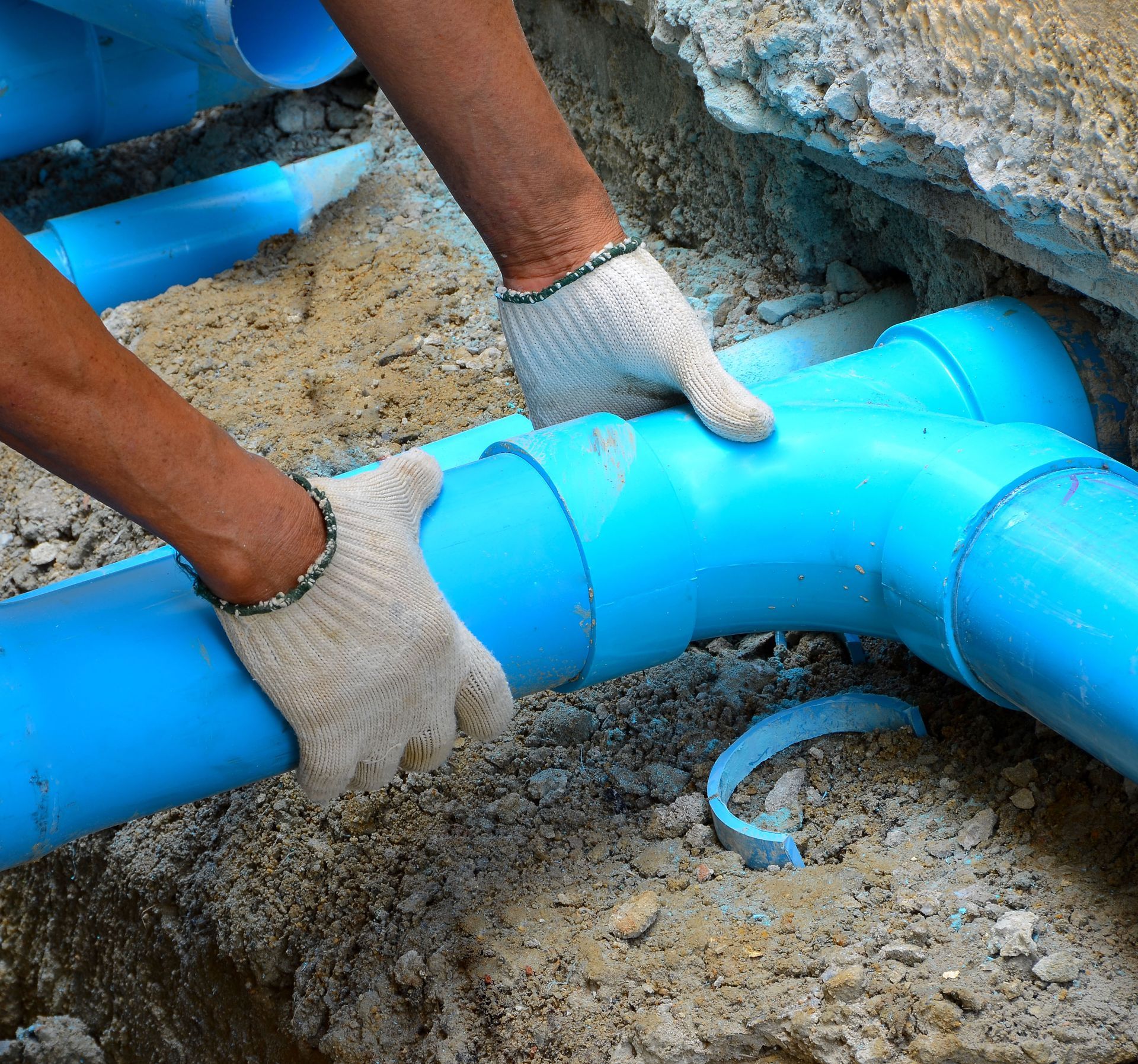
The overall installation process for high-density polyethylene systems is significantly faster and less labor-intensive than installing heavy metallic options, leading to major cost savings in project labor and equipment usage. The lightweight nature of the polymer allows for simplified site handling, eliminating the need for heavy cranes or specialized rigging during standard trenching operations. Moreover, the seamless compatibility of these pipe products with trenchless technology drastically reduces the need for continuous open-air excavation, preserving surface paving and nearby landscaping. This operational efficiency translates directly into tangible budget savings for municipal utility authorities and private project developers.
Minimal ongoing maintenance is another major economic advantage of high-density polyethylene systems. Traditional metal or concrete lines often demand routine internal clearings, joint repairs, and protective chemical coatings to maintain baseline functionality. Conversely, high-grade HDPE pipe products drastically reduce operating costs due to their natural resistance to internal scale, biological growth, and stress cracking. With far less maintenance required over time, facility managers can allocate capital toward other critical infrastructure needs rather than routine emergency repairs.
The physical resilience of high-density polyethylene significantly lowers the frequency of catastrophic pipe bursts, protecting utility budgets from unexpected emergency repair expenditures. Legacy systems frequently suffer structural failures caused by joint separation, frost heaves, or internal corrosion pressure. High-density polyethylene systems, however, are fused together using thermal heat, creating monolithic joint connections that are as strong as the line itself. This elimination of mechanical joint failure points ensures high system reliability, making these advanced pipe products a cost-effective choice for budget-conscious project managers.
3. Versatility in Application
High-density polyethylene systems adapt effortlessly to a vast range of plumbing, municipal, and industrial applications. Their versatility spans across all scales of utility construction, from small residential water service lines to massive industrial effluent mains. The physical adaptability of high-density polyethylene ensures high performance in both brand-new subsurface developments and complex urban rehabilitation projects. Whether specified for municipal drinking water distribution, agricultural irrigation, or severe chemical processing, these versatile pipe products handle demanding operating conditions with ease.
In an era of smart water management, high-density polyethylene integrates seamlessly with modern leak-detection technology, pressure sensors, and advanced filtration units. The ability to easily slice, fuse, and adapt polymer lines allows engineers to customize utility layouts around complex existing underground infrastructure. Furthermore, high-density polyethylene maintains its physical toughness across extreme temperature ranges, preventing freeze-bursts in cold climates and resisting thermal degradation in hot soils. This climate adaptability ensures reliable year-round performance across diverse geographic zones.
4. Efficient Water Flow
One of the most notable engineering characteristics of high-density polyethylene is its exceptionally smooth interior wall, which dramatically reduces fluid friction and optimizes flow rates. Unlike metallic lines that develop rough internal corrosion and rust scale over time, high-density polyethylene maintains a permanently smooth interior surface. This hydraulic efficiency minimizes pressure drops across long distances, reducing the mechanical energy required by station pumps to transport fluids. Consequently, specifying smooth-bore pipe products lowers overall electrical consumption and reduces wear on system pumps.
The heat-fusion welding methods used to join high-density polyethylene create continuous, leak-free lines that eliminate water loss. Traditional bell-and-spigot mechanical joints frequently develop minor leaks over time due to ground movement or gasket degradation. Thermal fusion eliminates these weak points entirely, resulting in a continuous length of sealed polymer. This leak-free performance preserves valuable drinking water supplies, prevents surrounding soil erosion, and drastically reduces non-revenue water losses for municipal utility operators.
Upgrading to high-density polyethylene piping represents a forward-thinking investment in modern, resilient infrastructure. By combining superior physical flexibility, complete corrosion resistance, leak-free heat-fused joints, and low lifecycle costs, high-density polyethylene outperforms traditional legacy materials in every major category. Whether you are expanding a municipal water grid, designing an industrial facility, or updating commercial utility lines, specifying high-performance polymer products ensures decades of dependable service. For high-quality piping solutions, civil supply materials, and expert project guidance, turn to the trusted team at Northern Iowa Construction Products to power your next infrastructure build.
Share On: