
Corrugated Metal Pipe Products for Erosion Control
Water management and soil retention are critical challenges in modern infrastructure development. According to the EPA, by the year 2100, a larger number of regions are projected to face flooding risks, and the yearly financial damages resulting from floods are predicted to surge by $750 million. This staggering prediction highlights the urgent need for robust infrastructure capable of handling intense water flow and severe weather events. Without proper intervention, uncontrolled water runoff can wash away topsoil, undermine foundations, and destroy natural landscapes. Civil engineers, contractors, and builders must utilize effective mitigation strategies to protect vulnerable sites. A well-designed drainage system is the first line of defense against these destructive forces. By directing excess water away from critical areas, these systems prevent structural failures and preserve the integrity of the surrounding environment. In this context, utilizing reliable erosion control products is essential for long-term project success. Among the most effective materials available on the market today, corrugated metal pipe products stand out as a premier choice for professionals seeking durability and unmatched performance.
Understanding Erosion Control Mechanisms
Erosion occurs when wind, water, or ice displaces soil particles from their original location. In construction and land development, water runoff is the primary catalyst for rapid soil degradation. Heavy rainfall can quickly saturate the ground, leading to surface runoff that carries away vital sediment. This process not only depletes the land of its natural resources but also causes severe complications for downstream water bodies through excessive sedimentation. To combat these issues, contractors must deploy a variety of erosion control products designed to stabilize the soil and manage water velocity. Effective soil retention requires a comprehensive approach that addresses both the immediate impact of rainfall and the long-term flow of surface water. Surface roughening, vegetation establishment, and the strategic placement of structural barriers all play significant roles in a comprehensive mitigation plan. However, the most critical component often involves channeling water safely away from the site. This is exactly where corrugated metal pipe products provide exceptional value, offering a sturdy conduit for heavy water flows.
Exploring Metal Drainage Solutions
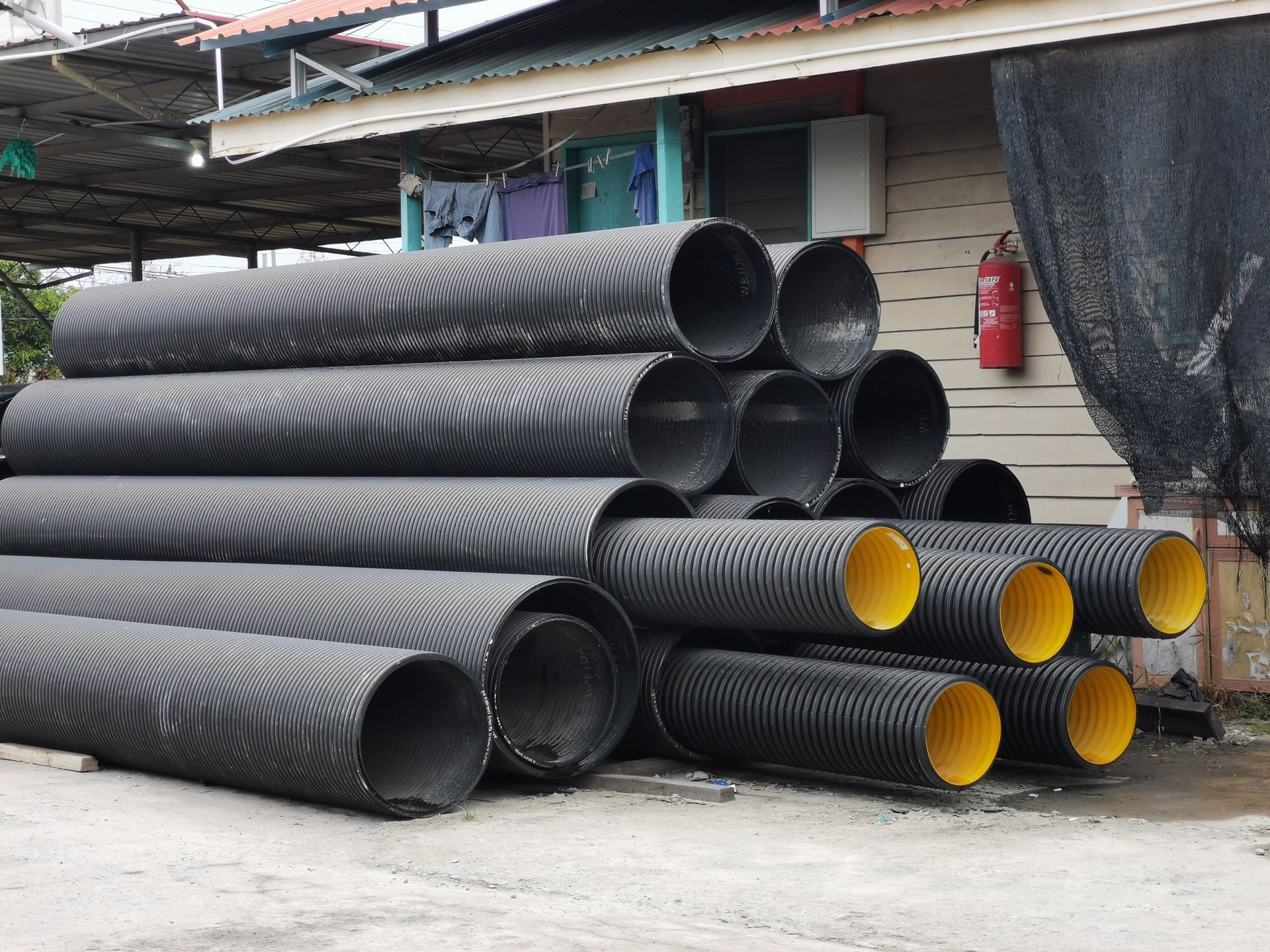
When managing significant volumes of water, the strength and capacity of the drainage infrastructure are paramount. Corrugated metal pipe is renowned for its remarkable structural integrity and long service life. The corrugation process adds significant stiffness to the metal, allowing the pipe to withstand heavy loads from soil and traffic above. This makes it an ideal solution for culverts, storm sewers, and underground retention systems. Because of their inherent strength, corrugated metal pipe products can endure harsh environmental conditions that might compromise weaker materials. These items resist damage from extreme temperatures, debris impact, and shifting soils. Furthermore, the versatility of these items allows them to be customized for various project specifications, including different diameters and protective coatings that enhance corrosion resistance. When properly utilized, corrugated metal pipe products ensure that water is safely transported without causing scour or undermining the surrounding soil bed, making them indispensable for large-scale earthwork and demanding infrastructure projects.
Implementing Geotextiles and Geogrids
While pipes handle the conveyance of water, stabilizing the surrounding earth is equally important for a successful project. Geotextiles are highly permeable fabrics that, when used in association with soil, have the ability to separate, filter, reinforce, protect, or drain. They are crucial for preventing fine soil particles from washing into drainage systems and clogging the pipes. By wrapping drainage trenches or lining channels with geotextiles, contractors can ensure continuous water flow while maintaining soil structure. Similarly, geogrid materials offer exceptional soil reinforcement. These synthetic grids lock aggregate layers together, providing a stable foundation over weak subgrades. They are frequently used in retaining walls, steepened slopes, and road bases to distribute loads evenly and prevent shear failure. When combined with advanced drainage systems, these fabrics create a robust defense against degradation. For example, placing a protective layer of fabric around corrugated metal pipe products can significantly extend the lifespan of the entire installation by preventing silt buildup and exterior abrasion.
Integrating High-Density Polyethylene
Although metal is incredibly durable, some situations call for lightweight and flexible alternatives. High-density polyethylene and single-wall plastic pipe offer unique advantages for specific applications. These plastic pipes are highly resistant to chemical corrosion and abrasion, making them suitable for environments with highly acidic or alkaline soils. They are much lighter than metal, which can simplify transportation and handling on job sites with limited access. High-density polyethylene and single-wall plastic pipe are often used for residential stormwater management, roof drainage systems, and agricultural field drainage. Their smooth interior walls facilitate excellent flow rates, ensuring that water moves quickly through the system. While they may not bear the same extreme traffic loads as metal options, they serve as a perfect complement within a broader water management strategy. In comprehensive site plans, engineers frequently combine flexible plastic piping for minor lateral drains with heavy-duty corrugated metal pipe products for the main load-bearing culverts and central storm sewer lines.
Executing Proper Installation Techniques
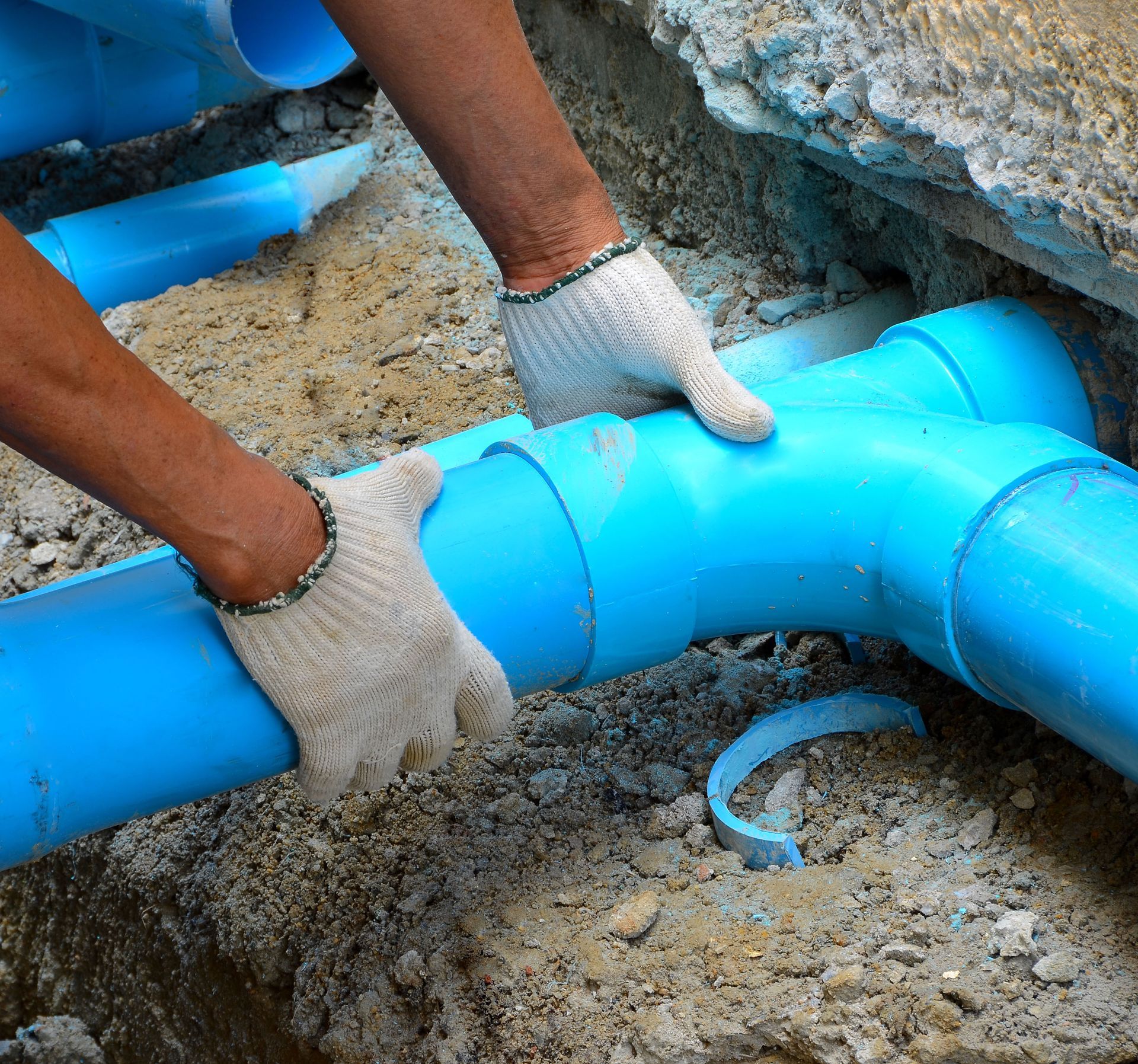
The effectiveness of any drainage system heavily relies on proper installation procedures. Even the highest quality materials can fail if they are not placed and backfilled correctly. The foundation of a successful installation begins with excavating a trench that is wide enough to allow for adequate compaction of the backfill material around the pipe. A stable, uniform bedding layer is essential to provide consistent support along the entire length of the conduit. Once the pipe is laid out, the backfill must be carefully placed in lifts and compacted to the specified density. This structural backfill works in tandem with the pipe to support the overhead loads. Utilizing geogrid within the backfill can further stabilize the surrounding soil envelope. During this phase, handling materials with care prevents damage to protective coatings. Proper joining techniques are also crucial to prevent leaks that could lead to internal erosion. When contractors follow strict guidelines, corrugated metal pipe products will deliver decades of reliable service.
Maintaining Your Drainage Systems
Routine maintenance is a vital aspect of preserving the functionality of your site's erosion control infrastructure. Over time, debris, sediment, and vegetation can accumulate within drainage channels and culverts, impeding water flow and reducing system capacity. Regular inspections should be conducted, particularly after severe storm events, to identify blockages or signs of structural distress. Clearing out accumulated sediment ensures that the water can flow without restriction, preventing dangerous backwatering that can lead to localized flooding. It is also important to inspect the intake and outfall areas for signs of scour. If the water exits the pipe with too much velocity, it can easily wash away the earth at the discharge point. Installing energy dissipaters or adding extra geotextiles can mitigate this risk. By proactively addressing these minor issues, property owners can avoid costly repairs and catastrophic failures. Routine upkeep ensures that corrugated metal pipe products continue to function at their maximum potential, safeguarding the property against ongoing environmental threats.
Effectively managing water runoff is an absolute necessity for any construction or land development project. By utilizing high-quality materials, contractors can successfully protect their sites from degradation and flooding. From metal piping to synthetic fabrics, having the right supplies on hand makes all the difference in achieving long-term stability. Remember to properly maintain these systems to maximize their lifespan and performance. When you are ready to start your next infrastructure project, reach out to Northern Iowa Construction Products!
Share On: