
How to Choose the Right Drainage Pipes for Your Home
Choosing the right drainage pipes for your home is crucial for ensuring efficient water management and preventing potential water damage. This article will guide you through key considerations and types of pipes available, helping you make an informed decision for your home project.
Evaluating Household Water Volumes
Understanding your home's water disposal needs begins with a detailed assessment of your property. Factors such as rainfall levels, water usage, and the existing topography are essential in defining your drainage requirements. High rainfall areas naturally demand a more robust drainage system to manage water flow effectively. Examining the capacity of existing drainage solutions to handle such water volumes is critical. According to the EPA, localized floods occur as a result of drainage system capacity being overwhelmed by actual rainfall, highlighting the importance of adequate planning.
Incorporating tools such as water flow meters or audits can aid in assessing precise disposal requirements. These tools can help capture peak usage data, informing decisions about necessary drainage improvements. Ensuring your drainage evaluations are comprehensive will mitigate long-term issues and enhance water management efficiency. Engaging professionals, like civil engineers, further equips you to handle complex calculations. This systematic approach helps prevent unforeseen complications induced by water leakage or overwhelming drainage systems. Utilizing a corrugated metal pipe can also play a major role in managing high volumes of storm runoff effectively.
Identifying Property Drainage Vulnerabilities
Problematic drainage areas in the home often include locations such as basements, where water easily accumulates. Basements, due to their subterranean nature, can become water-collecting zones during heavy rain. Identifying low-lying areas around your property is critical, as these are prone to flooding or water pooling. These spots may require additional drainage intervention, such as French drains or sump pumps, to efficiently manage water flow. In addition, reviewing previous water damage issues provides insights into recurring drainage weaknesses.
Informed decision-making involves recognizing future developmental changes within the property or neighborhood. Urban development and new construction can strain existing water infrastructure, creating or exacerbating problem areas. Being proactive in identifying potential drainage concerns can lead to prompt corrective measures. Effective problem identification and subsequent drainage strategies substantially reduce the risk of water damage. Consequently, detailed investigations of these areas cultivate a more resilient and sustainable drainage system. Often, implementing a corrugated metal pipe is the perfect remedy for these troublesome, high-risk low zones.
Planning For Future Expansion
Considering future development plans is essential for implementing a forward-thinking drainage solution. It is common for homeowners to undergo renovations or expansions that may alter drainage dynamics. Whether it's extending living spaces or adding gardening features, changes affecting impermeable surfaces can increase runoff. Anticipating changes ensures that drainage solutions are adaptable and sufficient to handle increased water volumes. Strategic foresight helps mitigate potential future shortcomings in the drainage system's capacity.
Investment in flexible and expanding drainage systems can accommodate future growth without necessitating complete overhauls. Reserved space for new drainage infrastructure becomes valuable when predicting expansion trajectories accurately. Employing evolving technologies, such as permeable pavements or smart irrigation controls, addresses both current and future water management needs efficiently. This long-term approach minimizes risks associated with ad-hoc drainage modifications or systems operating at high capacity. Proactivity in planning ahead is pivotal for maintaining well-functioning and responsive drainage structures. Integrating a heavy-duty corrugated metal pipe from the start provides the strength needed for future terrain modifications.
Navigating Regulatory And Legal Frameworks
Legal and environmental considerations significantly impact the choice of drainage pipes. Local building regulations and bylaws dictate material choices and installation standards for drainage systems. Compliance with these regulations ensures that installations adhere to safety and environmental standards, preventing potential legal issues. Environmental regulations might mandate selections in pipe material to mitigate ecological impact. Understanding these stipulations assists you in selecting pipes based on legal prerequisites and environmental standards.
Professional consultations ensure that your drainage plans respect all pertinent legal and environmental standards. Component options such as a galvanized corrugated metal pipe often meet strict municipal codes for structural integrity and environmental impact. Knowledge of federal environmental mandates is crucial to avoid undesirable legal outcomes. Prudent awareness paired with dedicated professional support safeguards both the legal and environmental integrity of your drainage strategy. Incremental adjustments to existing systems ensure evolving compliance with regulatory changes over time.
Analyzing Polyvinyl Chloride Infrastructure Options
PVC pipes are among the most commonly used materials in residential drainage applications due to their durability and cost-effectiveness. Made from a sturdy plastic compound, these pipes are resistant to corrosion and environmental wear. The lightweight characteristic simplifies installation, reducing associated labor costs and effort. Additionally, their smooth interior minimizes friction, allowing water to flow efficiently while mitigating blockage risks. PVC pipes are well-suited for various applications, from waste disposal to the transportation of rainwater away from structures.
The adaptability of PVC means it can be used in both surface and underground drainage systems without compromising performance. This material is known for its exceptional resistance to chemical reactions occurring from waste or surrounding soil conditions. Furthermore, advancements in PVC manufacturing techniques boast enhanced environmental safety, limiting potentially harmful emissions during production. Despite common misconceptions, rigid PVC pipes withstand significant stress, making them viable even in challenging environments. Their affordability and extensive availability make PVC pipes a staple choice for effective and sustainable drainage solutions.
Reviewing Heavy-Duty Concrete Solutions
Concrete pipes offer significant benefits for drainage systems, particularly in scenarios necessitating enhanced durability. Such pipes are made from a mix of cement, sand, and gravel, forming a strong composite capable of enduring heavy loads and sediment movement. Ideal for areas subjected to high traffic or pressure, concrete pipes serve well in urban and industrial settings. Their longevity and strength make them reliable options for critical infrastructure, including storm sewers and larger-scale drainage networks. These pipes can handle waste and surface water management efficiently, maintaining performance even in harsh conditions.
Nonetheless, the heavier nature of concrete compared to alternatives necessitates specialized equipment for installation, potentially increasing associated costs. The fact that concrete pipes require a more extensive manufacturing process may also lead to higher initial expenses. However, these costs are often offset by the extended service life and minimal maintenance required for upkeep. Understanding implications and weighing benefits against challenges enables informed decisions regarding the suitability of concrete pipes. Ultimately, the resilience and robustness of concrete pipes warrant their consideration for large and permanent drainage undertakings, though a corrugated metal pipe offers a much lighter alternative with similar strength advantages.
Assessing Flexible Corrugated Polyethylene Products
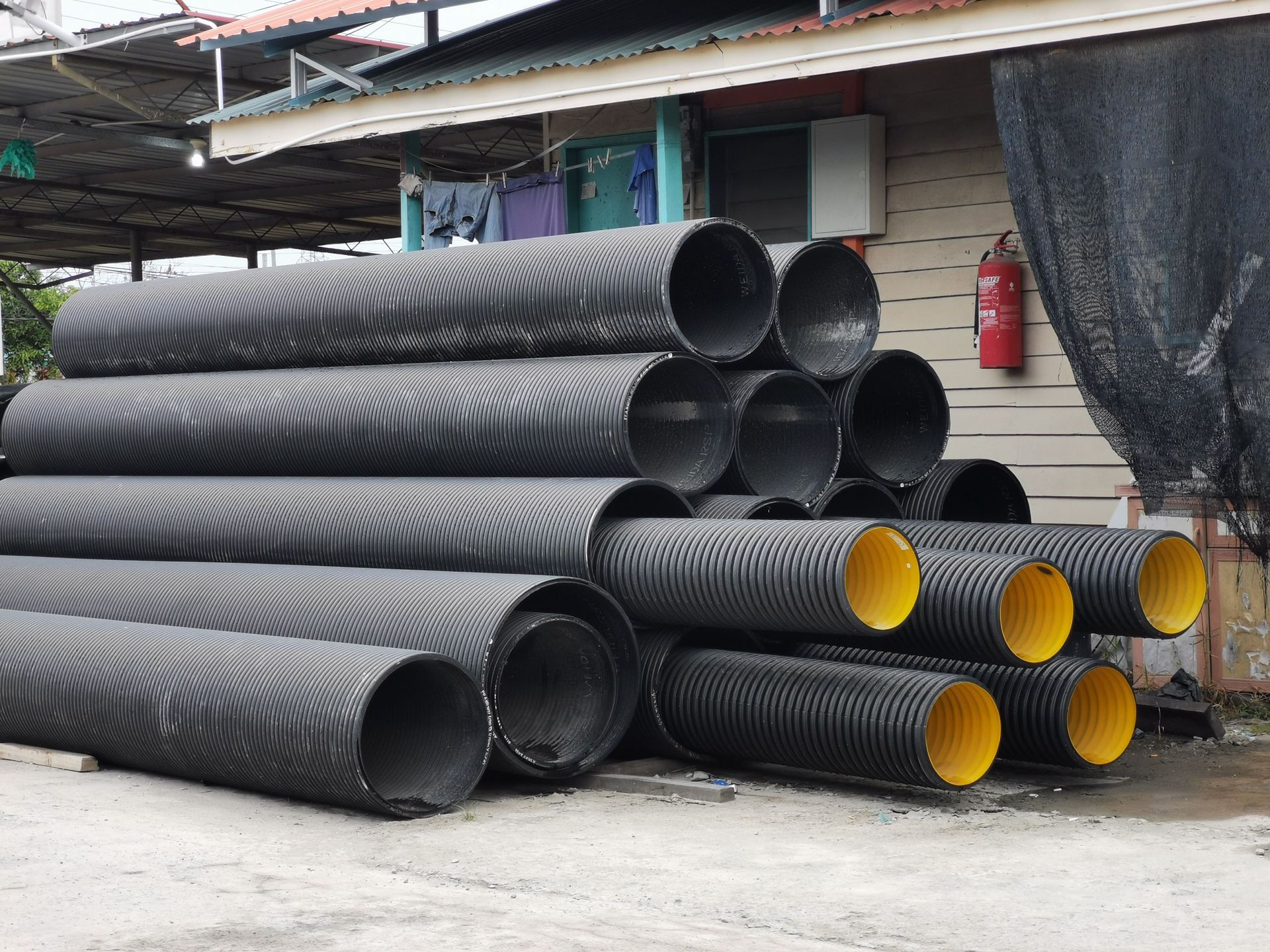
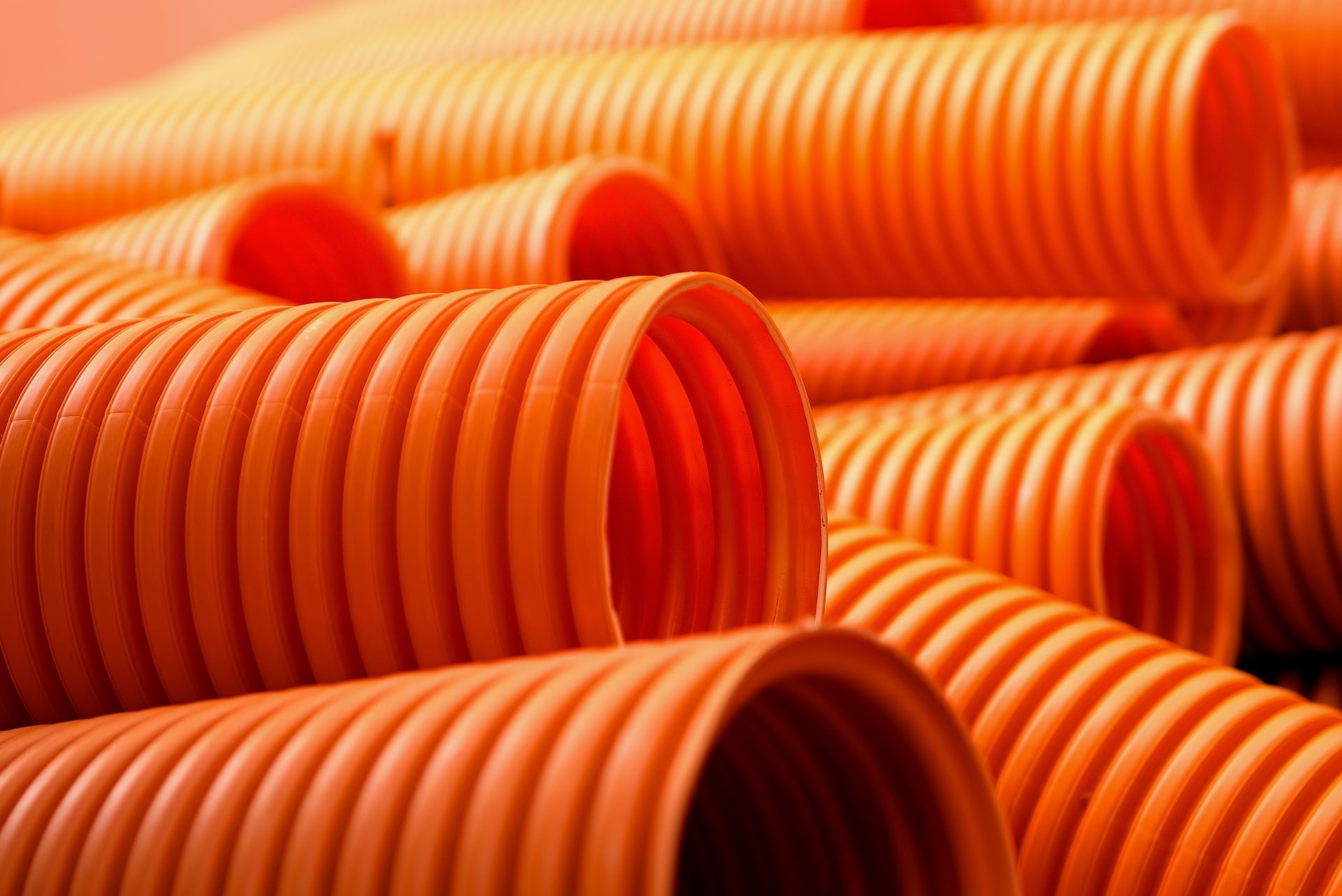
Corrugated plastic pipes, known for their flexibility and cost-effectiveness, are popular choices for residential drainage needs. Created using alternative plastic compositions like HDPE, they provide dependable drainage solutions at an affordable cost. One of the notable features of these pipes is their flexibility, allowing installation around obstacles and uneven terrains without additional fittings. This customization level simplifies the installation process significantly and reduces labor costs. Additionally, the lightweight construction enables easier handling and transport, affording swift project completion timelines.
While corrugated pipes handle limited pressure effectively, they may not be suitable for large-scale or heavy-duty applications. In scenarios demanding significant weight tolerance, rigid alternatives or a traditional corrugated metal pipe might be preferable. Their flexible nature, while advantageous in handling, imbues vulnerability when exposed to intense mechanical forces. Deploying supplemental infrastructure, such as bedding or protective casing, can enhance durability and operational lifespan. For varied rural and suburban implementations, corrugated plastic pipes balance commendable affordability with versatility.
Selecting the optimal components for your residential water system requires balancing longevity, localized weather conditions, and spatial configuration. Each material presents unique structural benefits, from the lightweight flexibility of modern polymers to the heavy-duty endurance of traditional composites. Making an informed choice safeguards your landscape from erosion and protects underground structures from water accumulation issues over time. For the ultimate in reliability and performance for your next project, secure your materials from Northern Iowa Construction Products.
Share On: